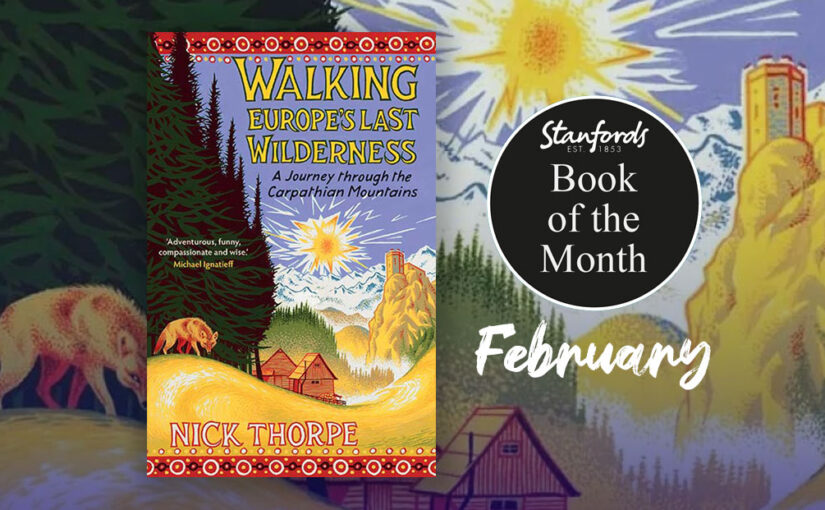
An evocative voyage through the Carpathian mountain range and its threatened landscape, peoples, and history.
The Carpathian Mountains of Poland, Slovakia, Romania, and Ukraine are Europe’s last true wilderness. A landscape of great spruce and beech forests, grass meadows, and ancient villages, its people contend daily with the elements—as well as Europe’s last large carnivores. But this fragile ecosystem is now under threat, from climate change and illegal logging.
It was a full house at Stanfords last night as we hosted a talk to celebrate the launch of the Slow Ways Pocket Atlas. The atlas creators Charlie Peel, Hannah Engelkamp and Daniel Raven-Ellison explained the initial ideas and the evolution that lead to the finished atlas.
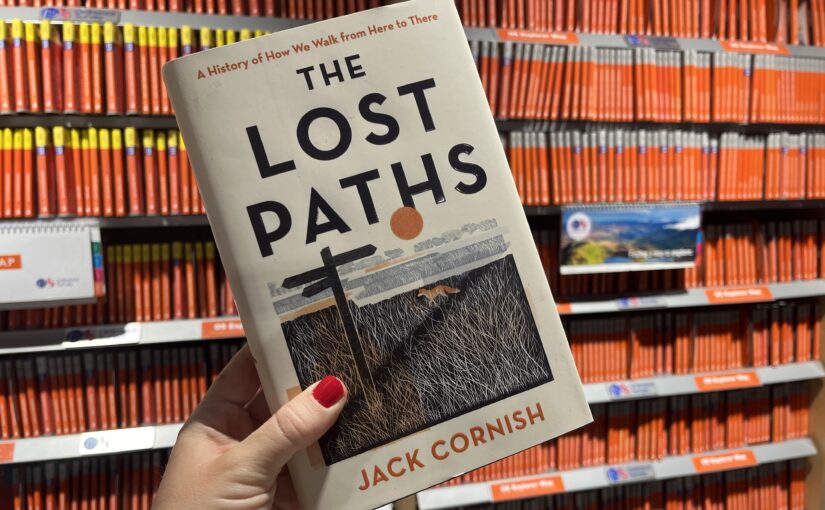
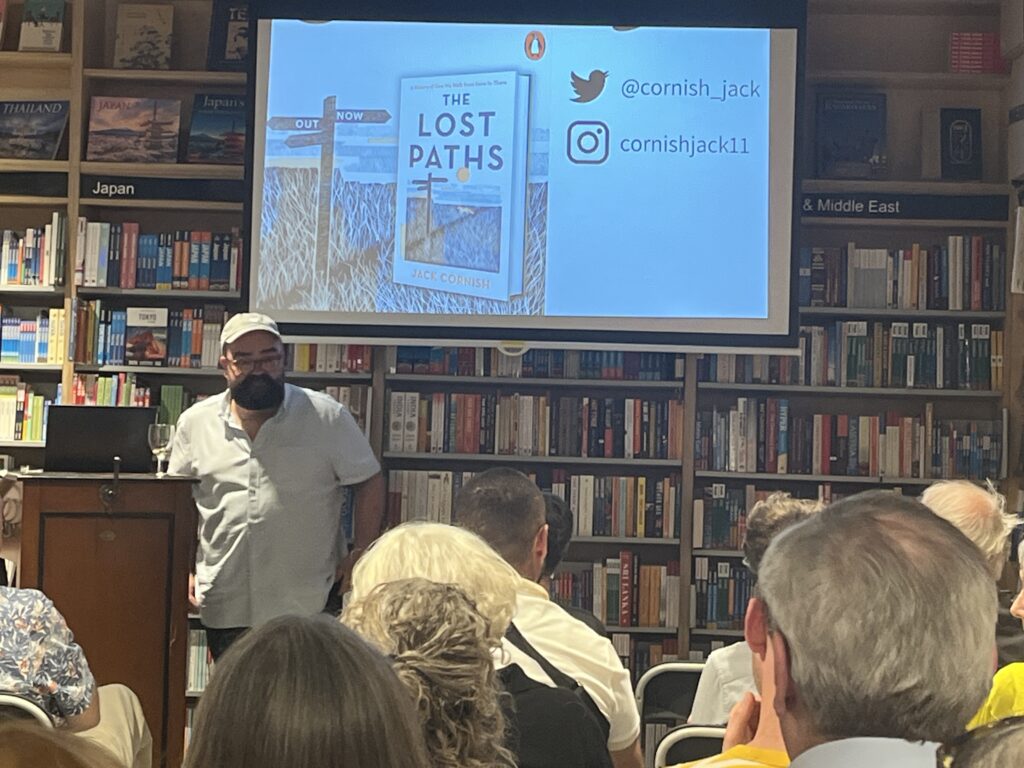
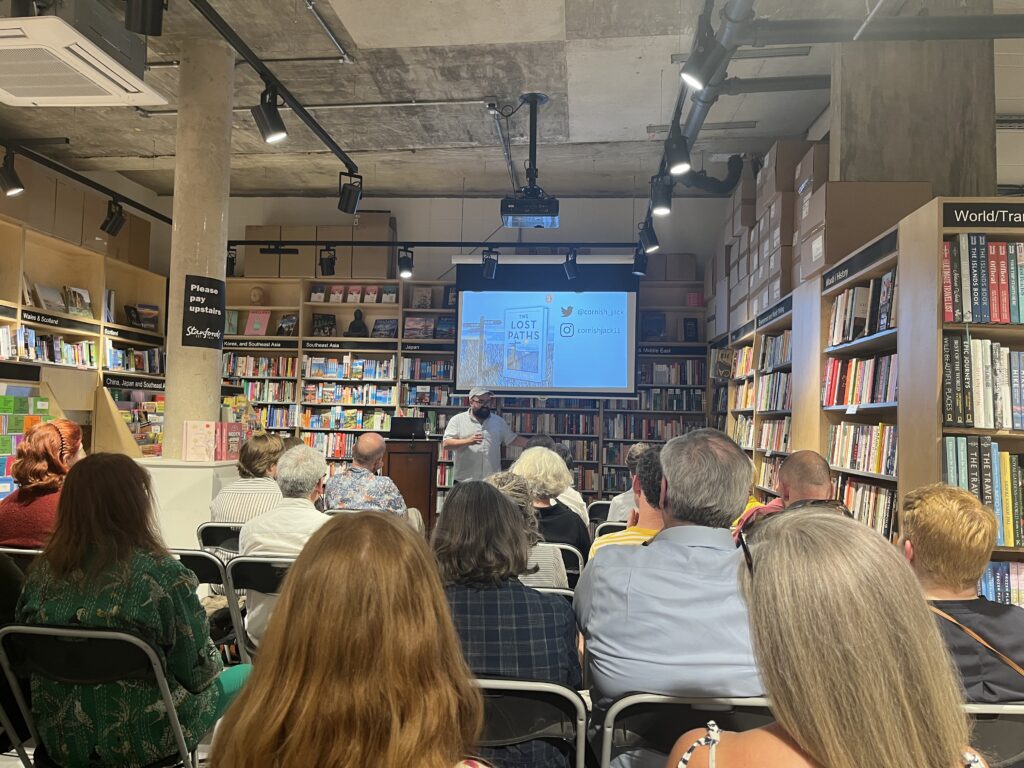
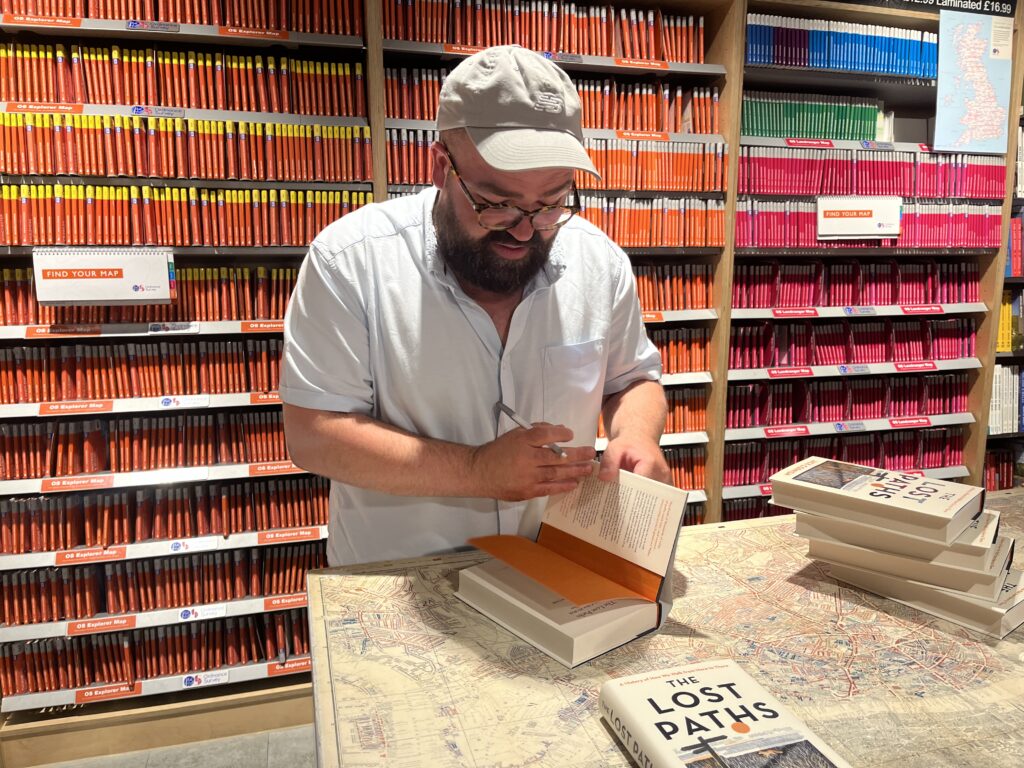
Last night we hosted an event with Jack Cornish and heard all about his new book Lost Paths.
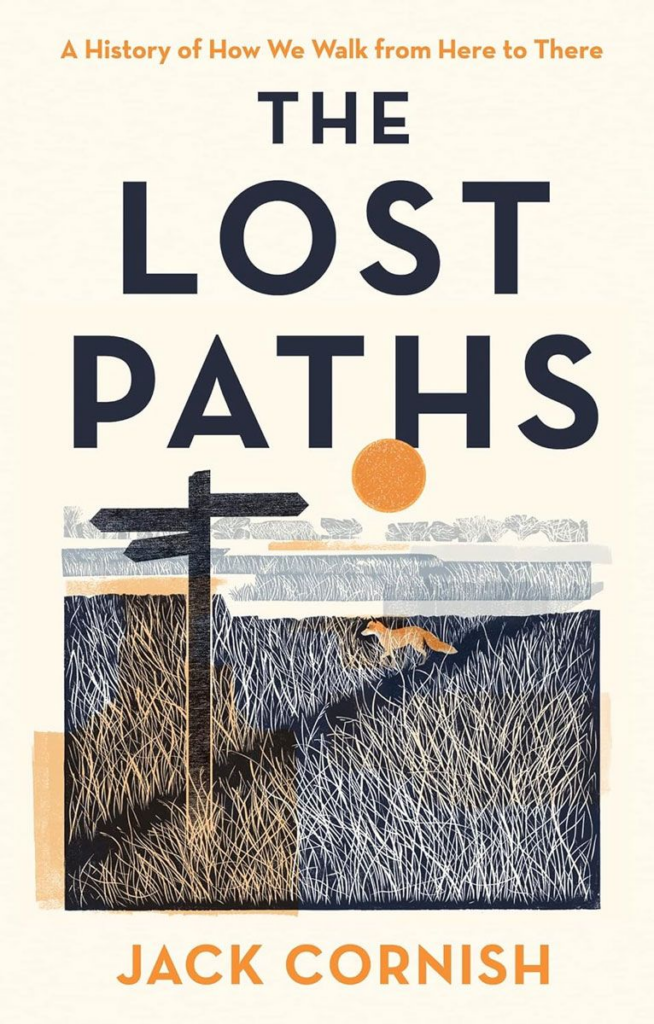
Hundreds of thousands of miles of paths reach into, and connect, communities across England and Wales. By 2026, 10,000 miles of undiscovered footpaths around Britain stand to be lost. Jack Cornish has dedicated the last five years of his life to walking these forgotten routes, and this book, The Lost Paths, is the result. It is Jack Cornish’s hope that The Lost Paths will show just how special these forgotten rights of way are, and how embedded each path is in the history of Britain.
Footpaths, tracks, country lanes and urban streets illuminate how our ancestors interacted with and shaped their landscapes in the pursuit of commerce, salvation, escape, war, and leisure. Paths are an often-overlooked part of our everyday life and our country’s history, crucial to understanding the cultural and environmental history of us in the landscape.
After dedicating his time and energy to fighting for their survival, The Lost Paths is Jack’s personal journey and exploration of the deep history of English and Welsh footways. This narrative history takes us through ancient forests, exposed mountainsides, urban back streets and coastal vistas to reveal how this millennia-old network was created and has been transformed.
This is a celebration of an ancient network and a rallying cry to reclaim what has been lost and preserve it for future generations.
The Lost Paths is available now for £20. We have signed copies while stocks last.
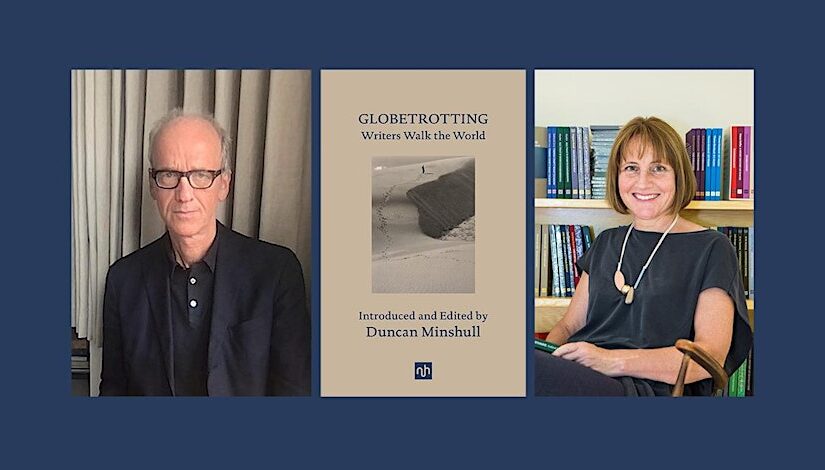
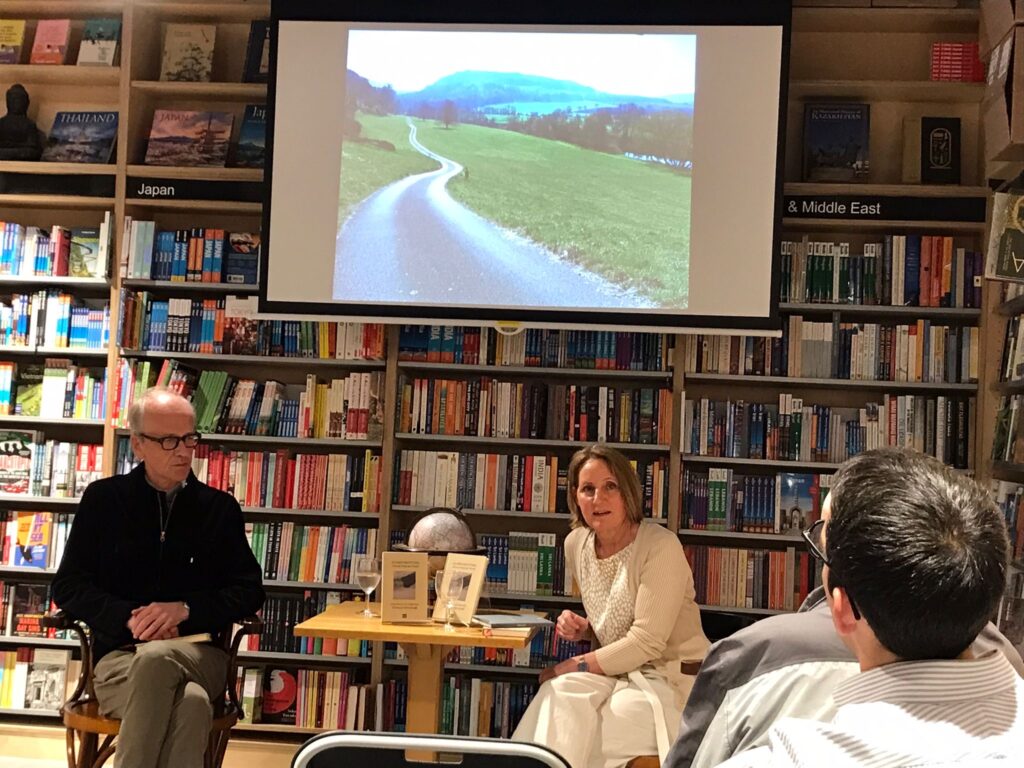
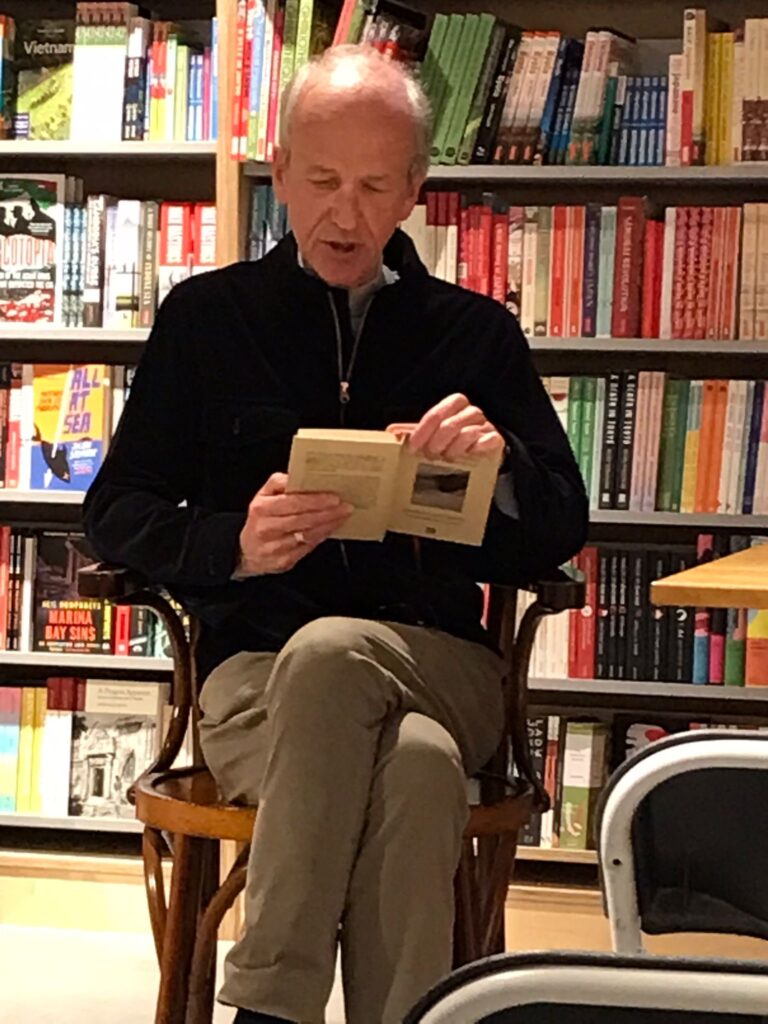
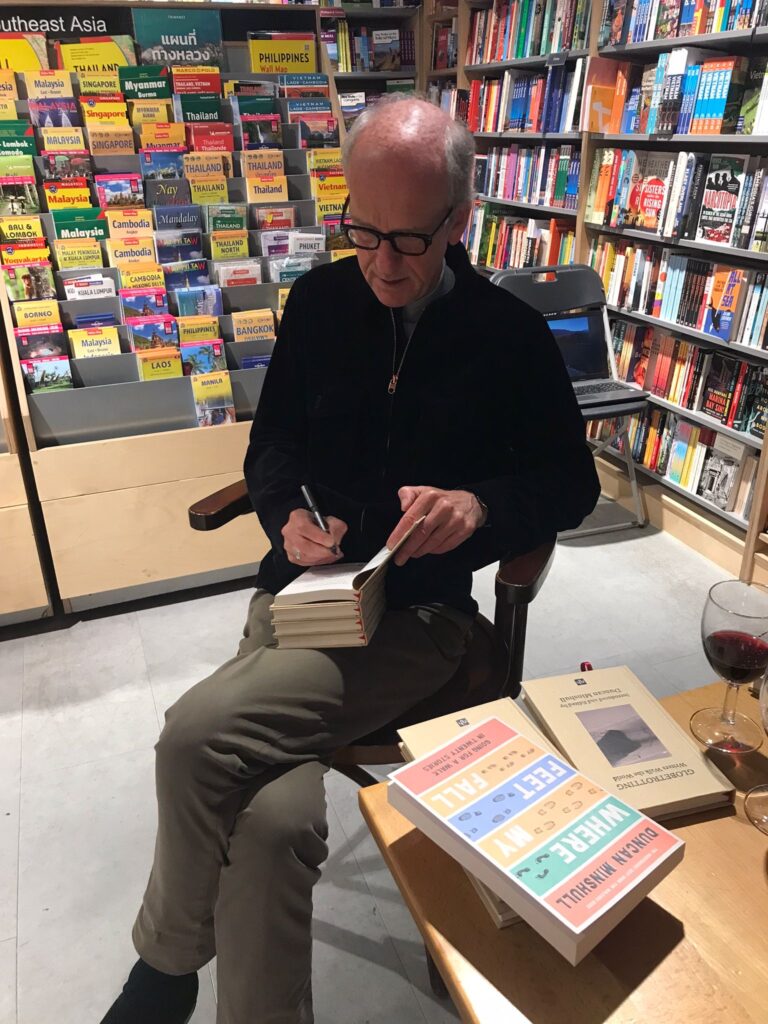
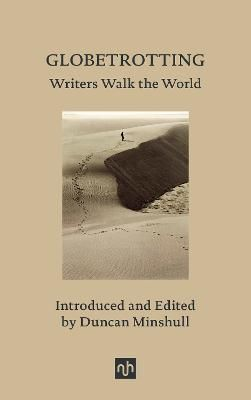
Duncan Minshull, former BBC producer, writer and anthologist, has used the words of the travel journalist Taylor as inspiration for his new collection, Globetrotting: Writers Walk The World, which he discussed last night at Stanfords with Kim Kremer, publisher of Notting Hill Editions.
In the collection we are able to follow in the footsteps of over fifty writers; ranging from Christopher Columbus, to Edith Wharton, to William Boyd. They traverse theseven continents in all sorts of climes and times, be it 1492 or the present day. But then, aren’t all walking types linked by one thing? The sensory desire to see, and alsohear, smell, and ultimately feel the places they move though. Yes, you might ask, is this why we all want to travel on foot? Talking about, and reading from Globetrotting, provides some excellent answers.
Duncan Minshull was a senior producer at BBC Radio for twenty five years, and now writes and publishes book about walking. He also takes people for ‘walk & talks’ around the UK. Globetrotting is the final book in a trilogy about travelling the world on foot.
Kim Kremer is MD of Notting Hill Editions. She joined the company in 2014, having worked originally in Children’s Publishing. She is a judge on the 2024 Nature Chronicles Prize, and enjoys getting out on foot whenever time allows.
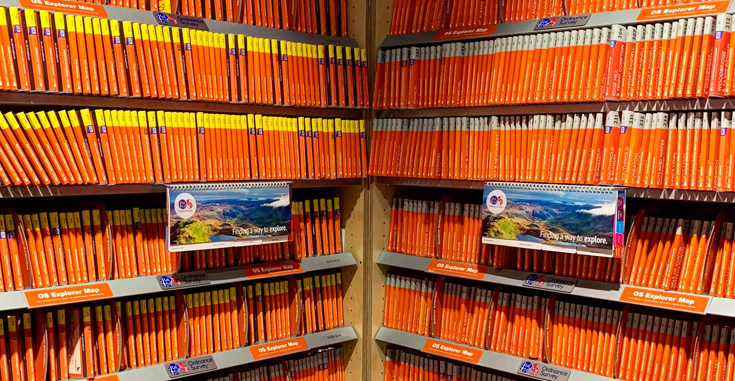
The Explorer series, Ordnance Survey’s most detailed maps recommended for anyone enjoying outdoor activities, provides topographic coverage of Great Britain at 1:25,000 on GPS compatible maps with hiking trails, cycling routes and extensive tourist information. Each printed map is available either on paper or as a waterproof and tear-resistant OS Active Map, as indicated in its title. Britain’s National Parks and other areas of particular tourist interest are presented on often double-sided OL (Outdoor Leisure) maps, whilst most standard format Explorers cover an area of 30 x 20km (approx. 19 x 12 miles).
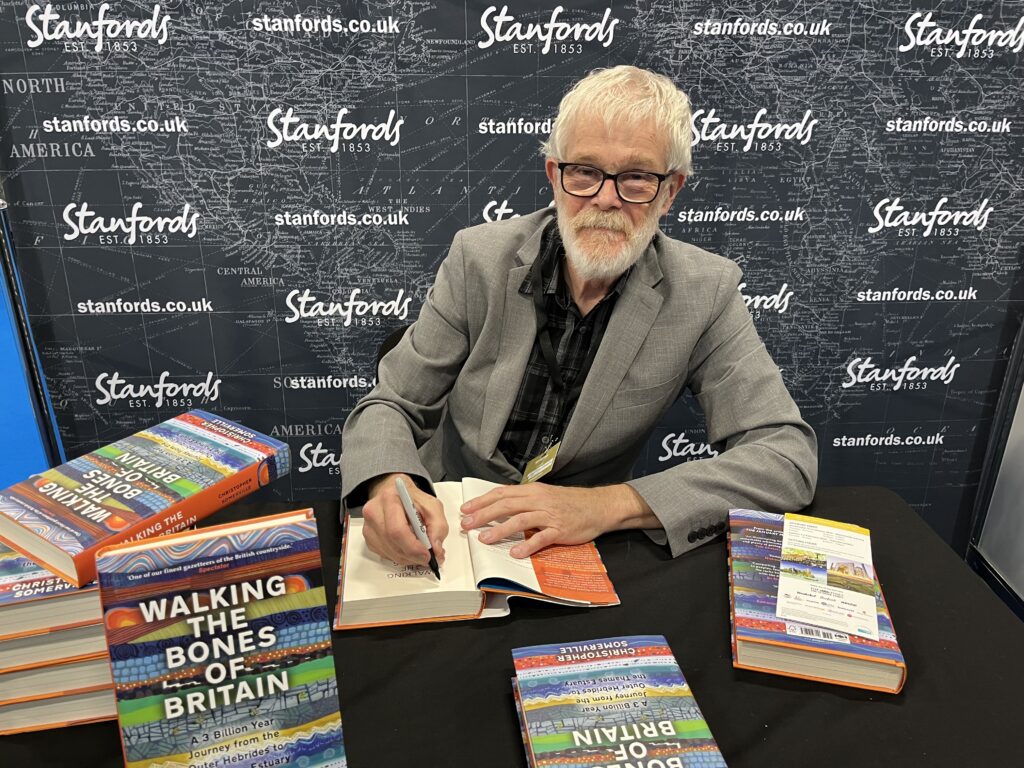
From Destinations: The Holiday & Travel Show in London’s Olympia, The Stanfords Travel Writers Festival welcomes Christopher Somerville, author and walking correspondent for The Times. He talks to author Ben Aitken about his newest book Walking the Bones of Britain.
Travelling a thousand miles and across three billion years, Christopher Somerville sets out to interrogate the land beneath our feet, and how it has affected every aspect of human history from farming to house construction, the Industrial Revolution to the current climate crisis.
As an island nation we have a special relationship with the sea – historically, culturally and often very personally – and nowhere on the English mainland are you any more than 70 miles or 113km from the nearest coastline. Being beside the seaside is a richly sensual experience and what better way to enjoy it than a bracing coastal walk!
To head for a place on foot is to – meander and wander.. ramble and amble.. stroll and saunter.. strut and scuff.. loiter and lurch.. ambulate and.. well, just walk. Furthermore, don’t we set out across all sorts of landscapes and cityscapes, in all sorts of weathers, for all sorts of reasons? Be they physical or psychological reasons, personal or public, sometimes even political?
And, isn’t it about time we had insight into this?
Over the years, my kit list has evolved from my early days of carrying almost everything I could need, to a honed collection of lightweight items, often with multiple uses. I spend the most on the big four: tent, sleeping bag, backpack and boots – balancing durability, weight and cost, but these five items will always be with me on a long backpacking trip:
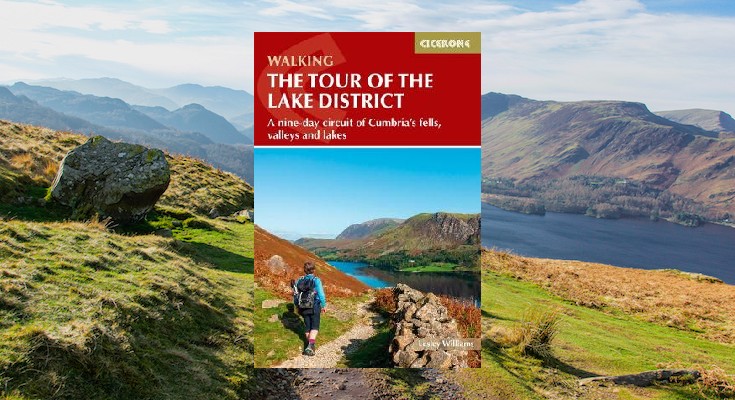
The Lake District is justifiably one of Britain’s most popular national parks, offering a treasure trove of attractions for outdoor enthusiasts and more leisure conscious visitors alike. Whatever the weather, the mountain light of this special landscape is reflected in the beautiful lakes and tarns, and while the wild open fells provide a backdrop for some, they remain the main focus for any keen walker.